

.

LATEST NEWS
Soft Landscaping Melbourne: Bringing Structure, Character and Life to the Garden
- Published:
- Last updated:
Discover how thoughtful planting, soil preparation, turf and soft landscaping create lasting gardens across Melbourne and the Mornington Peninsula.
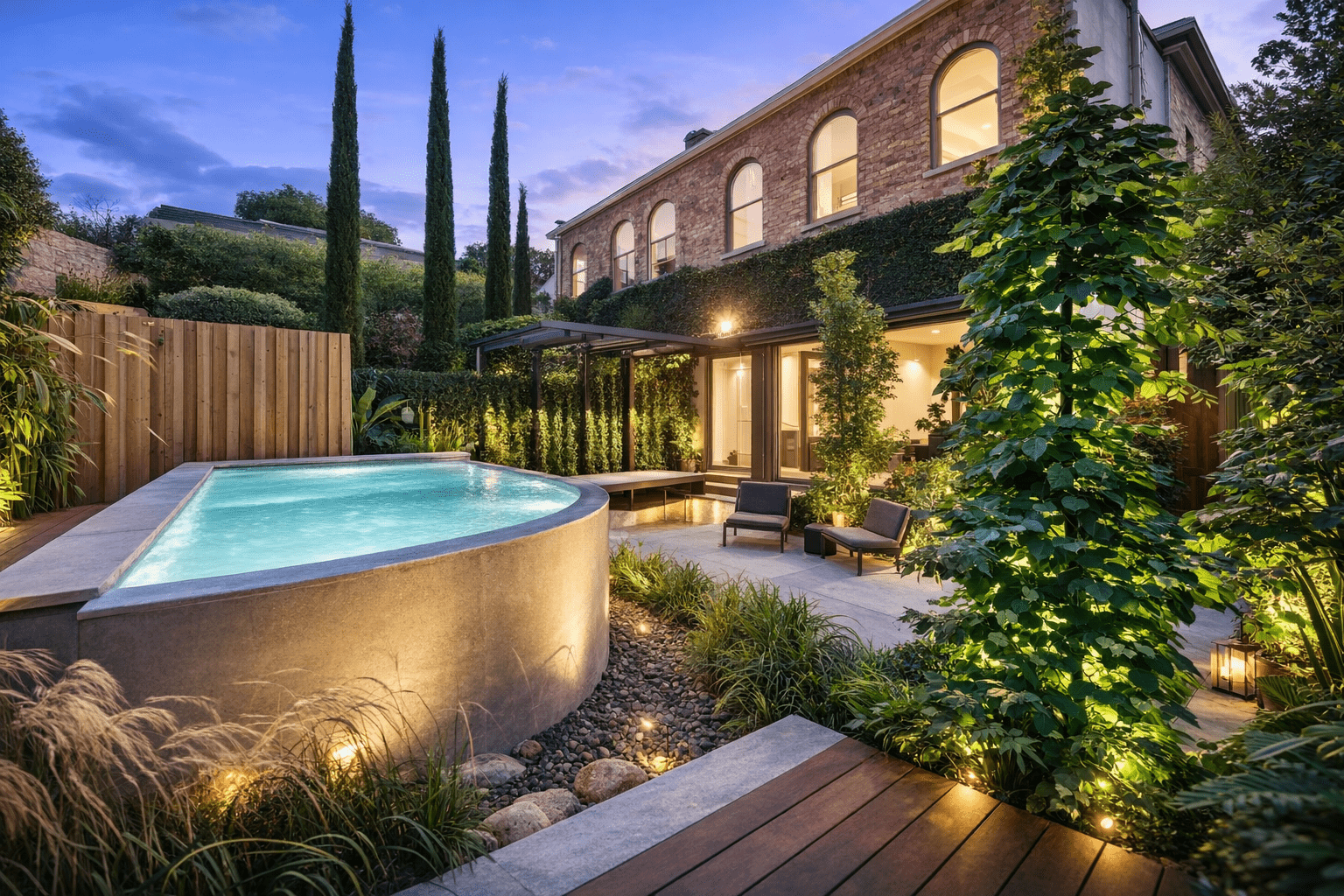
Professional soft landscaping in Melbourne brings trees, shrubs, feature plants, ground covers, lawns and garden beds together to create an outdoor environment that complements the property and develops beautifully over time. Phillip Merrett Landscapes delivers carefully constructed planting and garden areas across Melbourne and the Mornington Peninsula, working with landscape designers and architects to connect the living garden with paving, stonework and the architecture of each property.
Where a Landscape Begins to Come Alive
Soft landscaping is where the structure of a landscape begins to come alive.
— Justin Merrett, Phillip Merrett Landscapes
Paving, walls, pathways and outdoor structures establish the framework of a landscape. Trees, shrubs, lawns and layered planting give that framework colour, movement, texture and seasonal character.
These living elements are far more than finishing touches. Successful soft landscaping in Melbourne begins with an understanding of the property, the design and the conditions in which the garden must grow.
Each plant needs to suit its position. Soil, sunlight, shade, drainage, wind exposure, available space and irrigation all influence how well it will establish. Its mature height and width are equally important. A plant that looks compact at installation may eventually become a substantial tree or shrub, so spacing must allow the garden to develop without becoming crowded.
Thoughtful Planting Creates a Cohesive Landscape
Good planting design gives every plant a role within the wider garden.
Trees and larger shrubs can provide structure, screening and shade. Mid-sized shrubs and ornamental grasses create depth and movement. Ground covers soften garden edges, protect exposed soil and form a natural transition between planting, paving and stonework.
Repetition creates continuity across the property. Carefully positioned feature plants draw attention to an entry, a view or an architectural detail. A balanced mix of evergreen structure and seasonal interest helps the garden remain attractive throughout the year.
This approach allows the planting to complement the home rather than compete with it. It also creates a stronger connection between indoor spaces, outdoor entertaining areas and the broader landscape.
Healthy Gardens Start with Proper Preparation
The quality of a new garden depends heavily on work completed below the surface. Professional garden soil preparation gives plant roots a suitable environment for healthy development.
Compacted ground, poor drainage and building debris can limit establishment even when high-quality plants are used. Garden beds may need to be cultivated, conditioned and formed to suitable levels before planting. Drainage should also be considered before the finished planting and mulch are installed.
Mulch helps retain soil moisture, moderate temperature and reduce weed competition. Irrigation should be designed around the needs of different planting areas, with trees, lawns and garden beds managed in suitable watering zones.
These details are rarely the most visible parts of garden design and landscaping, but they are some of the most important for long-term performance.
A Garden Designed to Improve with Time
A newly completed garden is only the first stage of the landscape. Plants establish and mature at different rates, gradually changing the scale, shade, privacy and character of the property.
Phillip Merrett Landscapes considers how the garden will look in the years ahead, not only on installation day.
Correct spacing gives plants room to form naturally. Suitable plant selection can reduce excessive pruning, crowding and unnecessary replacement. Lawn, planting, irrigation and access are planned with future maintenance in mind.
Returning to a completed project and seeing the garden grow into its surroundings is one of the most rewarding parts of landscape construction. A well-built garden should become more settled, connected and expressive as it matures.
Soft and Hard Landscaping Working Together
The strongest landscapes are planned as complete environments. Planting can soften the edge of paving, reduce the visual weight of retaining walls, frame pathways and bring natural contrast to stonework. Trees and shrubs can also provide scale around buildings, pools and outdoor living areas.
Phillip Merrett Landscapes coordinates soft landscaping services with paving, stone walling, drainage and irrigation. Working alongside landscape designers and architects allows the team to protect the original vision while resolving the construction details needed to make the garden work on site.
This integrated approach is especially valuable in luxury residential landscaping projects in Melbourne, where the relationship between the home, garden and built landscape needs to feel deliberate from every viewpoint.
Soft Landscaping Across Melbourne and the Mornington Peninsula
Phillip Merrett Landscapes provides premium planting, turf and soft landscaping services for residential and commercial properties across:
- Armadale
- Balwyn
- Beaumaris
- Black Rock
- Brighton
- Camberwell
- Canterbury
- Diamond Creek
- Doncaster
- Donvale
- Dromana
- Eaglemont
- Flinders
- Glen Waverley
- Hawthorn
- Ivanhoe
- Kangaroo Ground
- Kew
- Main Ridge
- Malvern
- Merricks
- Mornington Peninsula
- Mount Eliza
- Mount Waverley
- Prahran
- Red Hill
- Sandringham
- South Yarra
- Toorak
- Warrandyte
Explore Soft Landscaping with Phillip Merrett Landscapes
If you are planning a new garden or completing a broader landscape construction project, speak with Phillip Merrett Landscapes. We are the expert in planting, garden beds, turf and soft landscaping in Melbourne and the Mornington Peninsula.
Visit the Soft Landscaping service page or call Justin on 0403 584 660.
Phillip Merrett Landscapes – Melbourne’s trusted landscape contractors for luxury residential gardens and outdoor living spaces.


Soft Landscaping Melbourne: Thoughtful Planting for Beautiful, Lasting Gardens
- Published:
- Last updated:
Phillip Merrett Landscapes | Professional Soft Landscaping for Melbourne Homes and Commercial Properties
Expert soft landscaping in Melbourne brings a garden to life through considered plant selection, careful soil preparation, structured planting, lawns and garden beds designed to establish successfully and mature with the property.
Phillip Merrett Landscapes works alongside landscape designers and architects to deliver premium planting and soft landscaping services across Melbourne and the Mornington Peninsula, connecting living garden elements with paving, stonework and the architecture of each property.
What Is Soft Landscaping?
Soft landscaping covers the living and horticultural elements of an outdoor environment. It includes trees, shrubs, feature plants, hedges, grasses, ground covers, garden beds, soil preparation, mulch, lawns and turf. These elements give a landscape colour, texture, movement, shade and seasonal change.
Hard landscaping forms the constructed framework through paving, stone walls, retaining walls, steps, pathways, decks and other built features. Soft landscaping settles that structure into its surroundings. A successful garden needs both parts to work together from the beginning.
Phillip Merrett Landscapes delivers soft landscaping in Melbourne as part of complete landscape construction. The team works with landscape designers and architects to translate an established design into a carefully built garden, with attention given to soil conditions, plant placement, finished levels, drainage, irrigation and long-term growth.
Soft Landscaping Begins Below the Surface
Healthy planting depends on the condition of the soil. A visually impressive plant palette will struggle if the root zone is compacted, poorly drained, contaminated with building debris or unsuitable for the selected species.
Before planting begins, garden areas should be assessed for soil structure, drainage, organic matter and the relationship between the existing soil and any imported landscape soil. Preparation may include removing construction waste, cultivating compacted ground, improving soil structure, forming planting levels and introducing suitable soil conditioners.
Drainage also needs to be resolved before the garden is planted. Waterlogged soil limits oxygen around plant roots and can cause decline, while very free-draining soil may dry too quickly during warm weather. The preparation method should respond to the actual site rather than follow a standard recipe.
Mulch is generally applied after planting to help reduce moisture loss, moderate soil temperature and limit weed growth. It should be kept clear of trunks and plant crowns, as deep mulch piled against stems can hold excess moisture in the wrong place.
This careful groundwork is a defining part of professional garden design and landscaping. Much of it disappears beneath the finished garden, but it has a major influence on establishment and long-term performance.
Choosing Plants for the Site, Architecture and Garden Style
Good plant selection starts with the site. Sunlight, shade, soil, drainage, wind exposure, available space and local climate all influence which plants are likely to perform well. Maintenance expectations, irrigation requirements, screening needs and the intended character of the garden also need to be understood.
The architecture provides another important reference. A restrained contemporary residence may suit strong structural planting and a limited palette. A period home can call for softer layers, traditional forms or planting that complements established garden character. Coastal and rural properties may need plants with greater tolerance for wind, exposed conditions or periods of dry weather.
Plant selection should also account for mature height and width. Nursery plants can look small at installation, but many develop into substantial trees or shrubs. Correct spacing gives each plant room to form naturally, improves air movement and reduces future crowding, repeated pruning and unnecessary replacement.
Phillip Merrett Landscapes considers foliage, form, scale, flowering periods and seasonal change when implementing a garden landscape design. The aim is not simply to fill garden beds. Each plant should have a clear role in the wider composition.
Creating Structure, Layers and Visual Balance
Strong planting design has a clear hierarchy. Trees and large shrubs establish the main structure, frame views and provide height. Medium shrubs and grasses create mass, rhythm and screening. Ground covers and lower plants define the foreground, protect exposed soil and soften the meeting point between garden beds and hard surfaces.
Repetition helps connect separate areas of a property. Repeating selected plants, colours or foliage forms can guide the eye through the garden and create a sense of continuity. Feature plants are most effective when their position has purpose, such as marking an entry, terminating a view or drawing attention to an architectural detail.
Seasonal interest should be planned across the whole year. Flowers may be one part of the composition, but foliage colour, bark, seed heads, branching form and evergreen structure are equally valuable. A garden with a strong underlying framework can remain attractive outside peak flowering periods.
This layered approach is particularly important in luxury residential landscaping projects in Melbourne, where the garden needs to feel resolved from key internal views as well as from terraces, pathways, pool areas and outdoor rooms.
Native, Exotic and Climate-Appropriate Planting
A successful Melbourne garden does not need to rely exclusively on one plant category. Native, indigenous and well-adapted exotic plants can all contribute to a durable landscape when selected for the conditions and used with a clear design purpose.
An expertly planned native garden design can provide texture, habitat value and strong seasonal character. Native plants still need to be matched carefully to soil, moisture, exposure and available space. The label “native” alone does not guarantee that a plant will suit every Melbourne property.
The same principle applies to exotic species. Some perform extremely well in Melbourne’s climate and can provide shade, structure, fragrance, autumn colour or a particular architectural character. The strongest plant palette is one that responds to the property, the design and the level of care the owner is prepared to provide.
Water efficiency is also influenced by soil preparation, mulch, plant grouping and irrigation—not plant selection alone.
Grouping plants with similar water requirements allows irrigation zones to operate more effectively and prevents one section of the garden from being overwatered to support another.
Lawns and Turf as Part of the Landscape
Lawn can provide practical open space, create visual calm and give contrast to dense planting, paving and stonework. It can also connect different garden areas and make a property feel more open.
The right turf depends on sunlight, shade, foot traffic, appearance, irrigation and maintenance expectations. A lawn that performs well in an open, sunny area may thin out beneath trees or beside a shaded building. The size and position of the lawn should have a functional or visual purpose rather than being treated as the default surface for every unused space.
Professional turf installation requires sound preparation. Finished levels, soil quality, drainage and irrigation coverage all need to be addressed before the turf is laid. Poor preparation can result in uneven settlement, water pooling and inconsistent growth.
In some parts of a garden, layered planting or ground covers may be a more suitable solution than lawn. This decision should be based on how the area will be used and the conditions on site.
Designing a Lower-Maintenance Garden
Every garden requires some care. The goal of a lower-maintenance landscape is to make that care manageable and predictable.
Suitable plant selection is the starting point. Plants that fit their position and mature space generally need less corrective pruning and replacement. Sensible spacing reduces overcrowding, while a clear planting structure makes access, pruning and weed control more practical.
Lawn area has a significant effect on maintenance because turf requires regular mowing, edging, feeding and watering. A considered balance between lawn, planting and hard surfaces can reduce ongoing work without leaving the landscape bare or overly paved.
Mulch, effective irrigation, accessible garden beds and plants grouped by similar needs also support easier care.
Complex mixed borders can be beautiful, but they usually require more detailed maintenance than restrained mass planting. The right approach depends on the character the client wants and the time available for garden care.
Planting for Privacy and Screening
Trees and shrubs can improve privacy, frame views and reduce the visual impact of neighbouring buildings. Effective screening requires more thought than choosing the fastest-growing plant available.
The planting space, desired height, mature width, root behaviour, access to sunlight and relationship with buildings or boundaries must all be considered. A plant that grows quickly can become a maintenance problem if its mature size is unsuitable for the location.
Layered screening often produces a more natural result than a single row of identical plants. Small trees, shrubs and lower planting can create depth while maintaining visual interest at different heights. The planting can also be arranged to screen specific sightlines instead of enclosing the entire property unnecessarily.
Connecting Soft and Hard Landscaping
Planting changes how constructed features sit within the property. Ground covers can soften the edge of paving.
Grasses and shrubs can reduce the visual weight of retaining walls. Trees can provide scale beside a building, and carefully positioned planting can guide movement along pathways or frame an outdoor entertaining area.
For this relationship to work, the soft landscaping needs to be planned alongside the built work. Garden-bed dimensions affect plant selection. Wall footings and underground services influence planting positions. Finished paving levels affect soil depth and drainage. Irrigation sleeves should be installed before paved areas are completed.
Phillip Merrett Landscapes coordinates planting with paving, stone walling, drainage, irrigation and other landscape construction. This integrated approach protects the original design intent and produces an outdoor environment that feels considered as a whole.
Establishing a New Garden
A newly planted garden is the beginning of the landscape, not its final form. Trees, shrubs and ground covers establish and mature at different rates. Some plants deliver quick seasonal impact, while structural planting may take several years to develop its intended scale.
The establishment period depends on the species, plant size, season, soil, watering and site conditions. Consistent irrigation is especially important while roots move into the surrounding soil. Watering should encourage a healthy root system rather than keep only the immediate surface damp.
New turf generally needs close attention until it has rooted into the prepared soil. Newly planted trees may require staking for a limited period, although supports should not be left in place so long that they restrict natural trunk development.
Regular observation is essential during establishment. Irrigation programs need seasonal adjustment, mulch depth should be checked, weeds should be controlled before they compete with new planting, and early signs of stress should be investigated promptly.
Soft Landscaping Across Melbourne and the Mornington Peninsula
Phillip Merrett Landscapes provides premium soft landscaping services and landscape construction for residential and commercial properties across Melbourne’s inner suburbs, eastern suburbs, bayside areas, north-east and the Mornington Peninsula.
Our service areas include:
- Armadale
- Balwyn
- Beaumaris
- Black Rock
- Brighton
- Camberwell
- Canterbury
- Diamond Creek
- Doncaster
- Donvale
- Dromana
- Eaglemont
- Flinders
- Glen Waverley
- Hawthorn
- Ivanhoe
- Kangaroo Ground
- Kew
- Main Ridge
- Malvern
- Merricks
- Mornington Peninsula
- Mount Eliza
- Mount Waverley
- Prahran
- Red Hill
- Sandringham
- South Yarra
- Toorak
- Warrandyte
Clients looking for a landscape gardener on the Mornington Peninsula can rely on a construction team experienced in coordinating soil preparation, planting, turf, irrigation and hard-landscape details within one carefully managed project.
Frequently Asked Questions About Soft Landscaping
1. What does soft landscaping include?
Soft landscaping includes the living and horticultural parts of a landscape: trees, shrubs, hedges, feature plants, grasses, ground covers, garden beds, soil preparation, mulch, lawns and turf. Depending on the project, it can also include the establishment planning that coordinates planting with irrigation, drainage and the surrounding hard landscaping.
2. What is the difference between soft landscaping and hard landscaping?
Soft landscaping refers mainly to plants, soil, lawns and other living garden elements. Hard landscaping covers constructed features such as paving, retaining walls, stonework, steps, pathways, decks and pergolas. The two should be designed and built together so levels, drainage, access, planting space and visual proportions are properly resolved.
3. How are the right plants chosen for a garden?
Plant selection should consider sunlight, shade, soil, drainage, wind, climate, available space and the plant’s mature size. The architecture, desired garden character, privacy requirements, irrigation and expected level of maintenance also shape the selection. A plant is suitable only when its horticultural needs and design role both make sense for the position.
4. Can soft landscaping create a low-maintenance garden?
Soft landscaping can be planned to reduce ongoing work. Suitable plants, correct spacing, restrained lawn areas, effective irrigation, mulch and accessible garden beds all help. No living garden is maintenance-free, but a well-resolved planting scheme can avoid unnecessary pruning, plant replacement and excessive watering.
5. How long does a newly landscaped garden take to establish?
Establishment time varies with the plant species, installation size, season, soil, irrigation and site conditions. Turf and fast-growing ground covers may settle in relatively quickly, while trees, hedges and structural shrubs can take several growing seasons to develop their intended form. Thoughtful spacing allows the garden to improve as it matures instead of becoming overcrowded.
Discuss Soft Landscaping for Your Property
Planning a new garden or completing a broader landscape project? Phillip Merrett Landscapes can deliver planting, garden beds, turf and soil preparation as part of a carefully coordinated landscape construction program.
Explore more details on soft landscaping here:
https://phillipmerrettlandscapes.com.au/our-services/soft-landscaping/
Visit Phillip Merrett Landscapes’ website to explore our complete services or call Justin on 0403 584 66
Phillip Merrett Landscapes – Melbourne’s trusted landscape contractors for luxury residential gardens and outdoor living spaces.
Page – Services – Soft Landscaping